
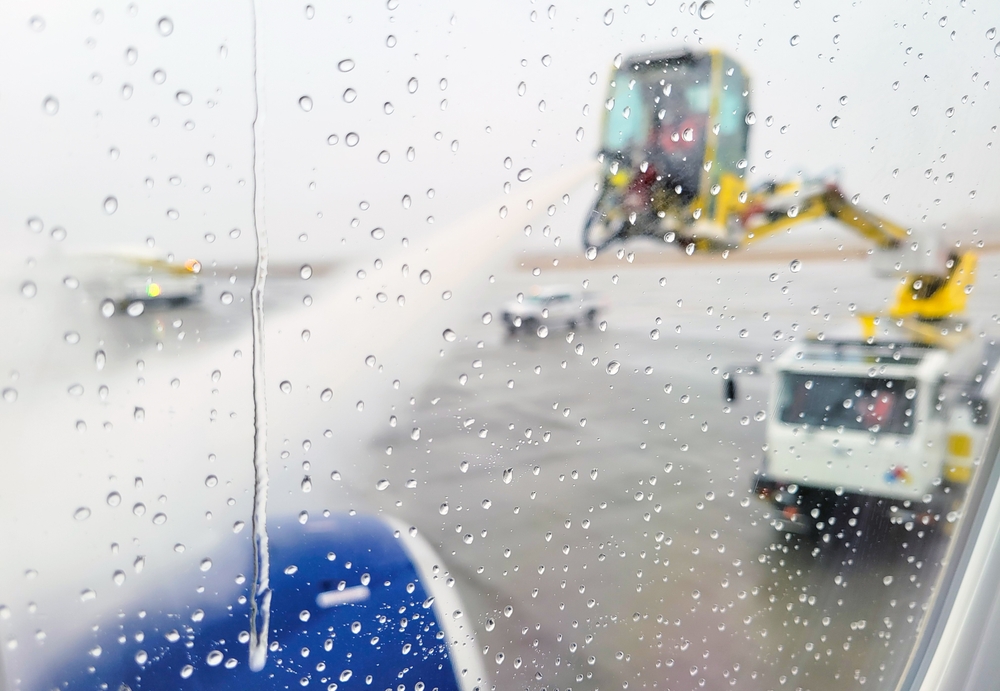
Winter presents unique challenges for aviators, especially those operating in colder climates like Ohio. For general aviation pilots, understanding and implementing proper aircraft de-icing techniques is critical not only for performance but also for safety. Whether you’re based at Wright Brothers Airport in Dayton or flying across Ohio’s wintry landscape, de-icing is an essential part of your pre-flight and in-flight planning. In this guide, we’ll explore general aviation de-icing procedures, highlight important safety tips, explain the difference between anti-icing and de-icing, and walk through how to ensure safe winter flight operations in Dayton, OH and beyond.
Understanding Aircraft De-Icing and Its Importance
Aircraft de-icing refers to the removal of snow, frost, or ice from an aircraft’s critical surfaces, primarily the wings, control surfaces, and windshields. Accumulated ice disrupts airflow over the wing, which can drastically reduce lift and increase drag, ultimately threatening the aircraft’s ability to maintain controlled flight. For general aviation pilots, especially those flying lighter aircraft that are more sensitive to weight and aerodynamic changes, the risks are magnified.
Ohio’s climate, particularly in cities like Dayton, is conducive to frequent freeze-thaw cycles, often resulting in dangerous icing conditions. Ice formation can occur on the ground, requiring thorough pre-flight de-icing procedures, or in the air, necessitating onboard anti-icing or de-icing systems. Given these risks, pilots must become proficient in identifying the type of icing present, understanding how it forms, and applying the correct method of removal.
General aviation de-icing procedures in Ohio often involve the use of Type I and Type IV fluids. Type I fluids are typically heated and used to remove existing ice, while Type IV fluids prevent new ice from adhering during taxi and takeoff. These fluids must be applied correctly and at the appropriate temperature to be effective. Improper application can lead to refreezing or the retention of contaminant layers, both of which can compromise flight safety.
Anti-Icing vs De-Icing Explained
Understanding the distinction between anti-icing and de-icing is essential for safe winter operations. De-icing is the process of removing existing ice, frost, or snow from aircraft surfaces. This can be done using heated fluids, mechanical tools, or electric elements embedded in some aircraft designs. The goal is to restore clean surfaces to enable safe takeoff and flight.
Anti-icing, on the other hand, refers to the prevention of ice accumulation. This involves the use of chemical fluids or systems that keep ice from bonding to the aircraft surfaces. Many modern aircraft come equipped with anti-icing systems, such as heated pitot tubes, propeller blade heaters, and wing boot systems that inflate to crack off ice during flight. In pre-flight settings, anti-icing fluids may be applied after de-icing to provide temporary protection against new accumulation.
For general aviation pilots in Dayton, OH, knowing when to use each method is crucial. A common scenario might involve de-icing the aircraft at Wright Brothers Airport using heated glycol-based fluids, followed by an anti-icing treatment if precipitation is still occurring. Pilots must be aware of the “holdover time” of these fluids — the estimated period during which they remain effective — to avoid taking off with contaminated surfaces.
Key Wing De-Icing Safety Tips for Ohio Pilots
The wings of an aircraft are among its most critical surfaces when it comes to ice accumulation. Ice disrupts the smooth airflow necessary for lift, and even a small amount can dramatically impair performance. For pilots in Ohio, where lake-effect snow and freezing rain are not uncommon, proper wing de-icing is non-negotiable.
First, never assume that light frost is harmless. Research has shown that even a thin layer of frost can reduce lift by up to 30 percent and increase drag by 40 percent. Before every flight, pilots should conduct a thorough tactile inspection of the wings — not just a visual one — to detect hidden ice or frost. This is particularly important during early morning flights when frost is likely to develop overnight.
Next, if manual de-icing is required, use only approved tools and techniques. Scraping ice with improper instruments can damage wing surfaces, leading to costly repairs or unsafe flight conditions. Heated hangars offer a passive de-icing option, though access may be limited. When using de-icing fluids, apply them evenly and remove all residues to avoid uneven aerodynamic effects.
Lastly, always verify the performance of any de-icing boots or electrically heated elements before departure. In-flight wing de-icing systems should be tested during the run-up phase to confirm functionality. Failure to do so could lead to dangerous ice buildup in the air, where options for remediation are severely limited.
Winter Flight Operations at Wright Brothers Airport in Dayton
Flying in winter conditions out of Wright Brothers Airport in Dayton presents its own unique considerations. The airport provides essential services for general aviation, including de-icing facilities and access to heated hangars. However, winter operations require meticulous planning, especially during periods of active snowfall, freezing rain, or low visibility.
First, always check NOTAMs and weather briefings before heading to the airport. Winter storms in Ohio can develop rapidly, and conditions at takeoff may be very different from those at your destination. Local METAR and TAF reports for Dayton and nearby airports are vital tools in determining whether de-icing will be needed.
Second, plan for longer pre-flight times. De-icing an aircraft properly takes time and may require coordination with ground crews. Rushing this process increases the likelihood of missed contaminants or improper fluid application. Wright Brothers Airport typically has personnel trained in general aviation de-icing procedures, but it’s the pilot’s responsibility to ensure the aircraft is safe for flight.
Third, consider runway conditions. Snow and ice on the runway impact acceleration, braking, and directional control. Pilots should confirm runway braking action reports and be familiar with the aircraft’s performance under degraded conditions. Wright Brothers Airport maintains active snow removal operations, but conditions can change rapidly.
Finally, ensure all onboard de-icing and anti-icing systems are functioning before departure. This includes verifying pitot heat, checking for proper boot inflation on wings, and ensuring that windshield defrosting systems are operational. Even if the aircraft is clean at takeoff, encountering icing conditions in the air requires full system readiness.
Mastering General Aviation De-Icing Procedures in Ohio
Mastery of general aviation de-icing procedures goes beyond simply removing ice. It requires a full understanding of meteorological conditions, aircraft-specific systems, and regulatory requirements. In Ohio, the frequency of winter weather events means that pilots must remain proficient and vigilant.
Education is key. Pilots should regularly review FAA advisory circulars, such as AC 91-74B, which provides detailed guidance on aircraft icing. Attending local safety seminars, often hosted at airports like Wright Brothers in Dayton, can help reinforce practical knowledge. Additionally, simulator training focused on winter scenarios can provide valuable experience without the associated risks.
Communication is also critical. Pilots should coordinate with Fixed Base Operators (FBOs) in advance to confirm the availability of de-icing services and understand the types of fluids used. Not all de-icing stations are equipped equally, and knowing your options ahead of time reduces stress during high-pressure situations.
Lastly, pilots must adhere strictly to holdover times and performance limitations. The FAA publishes annual de-icing holdover time tables, and it’s essential to cross-reference these with current weather conditions. If a delay pushes your departure beyond the holdover window, the aircraft must be re-treated. Cutting corners can result in critical safety violations and, more importantly, severe aerodynamic consequences.
Conclusion
Flying in Ohio during the winter months demands extra preparation, vigilance, and a deep understanding of aircraft de-icing practices. From the runways of Dayton’s Wright Brothers Airport to rural airstrips across the state, general aviation pilots must be equipped to handle icing both on the ground and in the air. By understanding the difference between anti-icing and de-icing, applying proper wing de-icing safety tips, and remaining informed about current conditions and regulations, pilots can ensure safe and efficient winter operations. Proper aircraft de-icing is not just a seasonal task — it’s a critical component of responsible airmanship in the Midwest’s challenging climate.
Let your winter flights be as smooth and safe as a clean, ice-free wing.
Need a Fixed-Base Operator in Dayton, OH?
At First Flight Aviation, we’re passionate about helping you fly safely and confidently all year long — especially through Ohio’s unpredictable winters. As your trusted full-service FBO and FAA-certified repair station at Dayton-Wright Brothers Airport, our experienced team is ready to assist with expert aircraft maintenance, de-icing, and comprehensive winter flight support. Whether you need professional service for your Cirrus, turbine prop, jet, or piston aircraft, we’ve got you covered. Reach out to us today to schedule your service, learn more about our facilities, or speak with our skilled technicians about keeping your aircraft in peak condition this winter.