
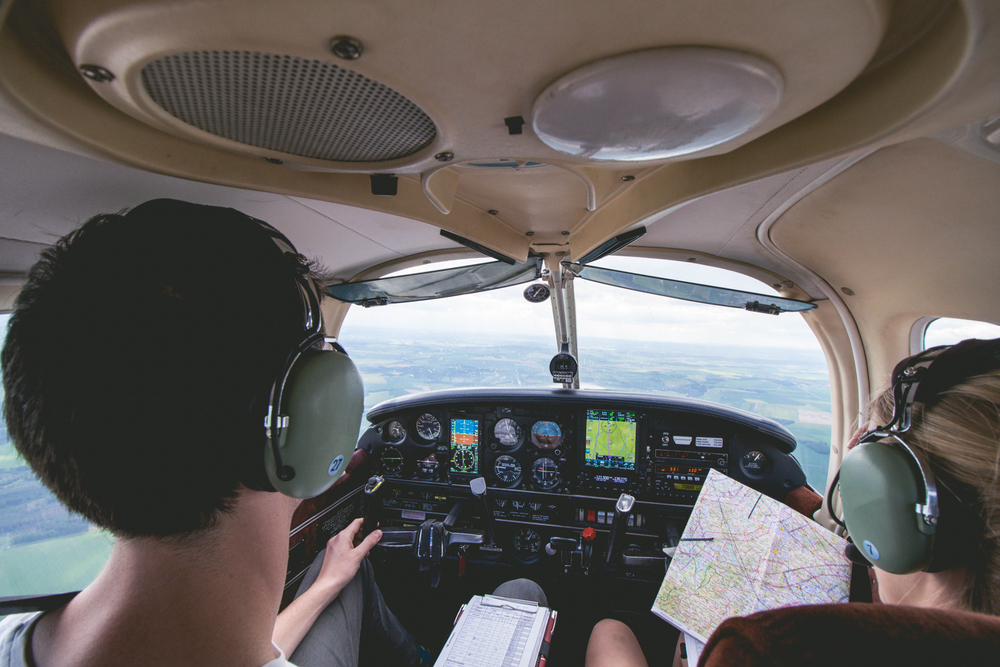
When most people think of learning to fly, they imagine clear summer skies, warm runways, and calm winds. However, those who choose to pursue winter flight training in Dayton, OH, gain a set of skills and experiences that truly separate them from the rest. The colder months in the Midwest are more than just a seasonal challenge — they are a powerful training ground for future aviators. From dealing with icy runways to navigating through snow-covered landscapes, winter flight conditions demand precision, adaptability, and confidence. These very conditions make Dayton, with its rich aviation history and comprehensive training programs, an ideal place to train during the winter months.
The Unique Advantages of Learning to Fly in Dayton’s Winter Skies
Dayton, OH, is not only known for being the birthplace of aviation thanks to the Wright brothers, but it also boasts a robust aviation training infrastructure that thrives year-round. Learning to fly in winter in Dayton means training in a real-world environment where meteorological complexity pushes pilot skills to the limit. Unlike the predictability of warm-weather training, winter conditions introduce a host of variables — from low visibility and freezing temperatures to wind shear and slippery surfaces.
These challenges sharpen a pilot’s ability to make quick decisions and develop strong pre-flight and in-flight planning habits. Additionally, flying in varied winter conditions strengthens one’s understanding of aircraft systems, especially those related to de-icing, engine performance in cold weather, and runway friction. By facing and overcoming these hurdles early in their training, students become more confident and capable pilots who are better prepared for unpredictable flying scenarios in their future careers.
Cold Weather Flight School Training: Safety, Precision, and Real-World Readiness
Enrolling in a flight school cold weather training program in Ohio is about more than braving the elements. It’s about mastering them. Safety becomes even more paramount during winter training, and this heightened awareness leads to meticulous habits that benefit pilots throughout their careers. Winter flight training places a strong emphasis on weather briefings, alternate airport planning, and thorough aircraft inspections. Students quickly learn the importance of checking for frost accumulation on wings, proper engine warm-up procedures, and the impact of temperature on aircraft performance.
Furthermore, winter flight lessons teach pilots to handle adverse conditions such as crosswinds and reduced visibility, giving them an edge when transitioning into professional aviation roles. These are the very conditions they will likely encounter in real-world operations, particularly for those entering regional airlines, charter services, or emergency response flying roles. By training in such a rigorous environment, students graduate with a skill set that reflects not just technical ability, but a seasoned understanding of real-world operational challenges.
Aviation Degree Programs and FAA-Approved Training in Dayton
Dayton offers aspiring aviators access to several quality institutions that feature aviation degree programs and FAA-approved flight training year-round, including winter. These programs integrate academic knowledge with hands-on experience, ensuring that students receive a holistic aviation education. Winter flight training is fully incorporated into these curricula, so students don’t miss out on flight hours or progress during the colder months.
The city’s strong aviation education infrastructure, bolstered by partnerships with local airports and aviation businesses, provides students with ample opportunities to build hours, engage in internships, and network with industry professionals. FAA-approved flight schools in Dayton maintain rigorous safety protocols, especially in winter, and ensure that their aircraft are properly equipped for cold-weather operations. This includes pre-heated hangars, de-icing equipment, and winter-specific maintenance checks. These comprehensive resources ensure that students can train safely while gaining valuable cold-weather flying experience that will stand out on their resumes.
Why Students Should Learn to Fly in Winter in Dayton
Choosing to learn to fly in winter in Dayton offers aspiring pilots a unique opportunity to develop an advanced skill set. Dayton’s central location in the Midwest means students experience a wide variety of weather conditions — fog, snow, ice, and high winds — all within a structured training environment. This diversity not only builds confidence but also contributes to a richer understanding of weather systems, aircraft performance limitations, and decision-making under pressure.
Unlike regions with perpetual fair weather, Dayton’s winter forces student pilots to confront and overcome adversity, often at an early stage in their training. These experiences help them internalize the critical importance of flight planning, weather briefings, and operational flexibility. Rather than being seen as obstacles, Dayton’s winter conditions are used as real-life teaching tools that build depth, resilience, and readiness.
Additionally, the quieter airspace during winter months allows for more focused one-on-one instruction and increased availability of aircraft. Students can log meaningful flight hours without the scheduling congestion that typically occurs during peak summer seasons. More personalized instruction and greater aircraft access can accelerate learning and help students stay on track with certification timelines.
Dayton’s Legacy and Environment: The Ideal Setting for Winter Training
Dayton’s aviation legacy sets the tone for a culture of excellence in flight training. Students training in Dayton not only fly over the same land once scouted by the Wright brothers but also benefit from the city’s strong aviation community and industry partnerships. This heritage fosters a unique sense of purpose and pride, especially during the more demanding winter months.
The environment surrounding Dayton further supports effective training. The local airports are well-equipped for winter operations and offer diverse airspace, from controlled environments at larger regional airports to quieter Class G airspace in rural areas. This variety allows student pilots to practice procedures in multiple settings, better preparing them for the range of operations they’ll encounter in their careers.
Moreover, Dayton flight schools understand the demands of winter training and proactively support students with access to indoor simulators, advanced weather planning tools, and detailed winter operations checklists. These resources complement in-aircraft experience and reinforce learning across all stages of training. By choosing to train in this rigorous, historic, and well-supported setting, pilots emerge with not just a license, but a deeper understanding of aviation safety, systems, and strategy.
Conclusion
Winter flight training in Dayton, OH, is a path less traveled but immensely rewarding. It molds pilots who are not only technically proficient but also confident in the face of complex and adverse conditions. The season’s challenges become training opportunities, strengthening every aspect of a pilot’s skillset, from safety protocols to decision-making and operational readiness. Dayton’s strong aviation education programs, combined with FAA-approved flight training and a climate that demands excellence, provide the perfect environment for producing capable, resilient, and experienced aviators.
Whether you’re considering a professional aviation degree program in Dayton, Ohio, or simply looking to learn to fly in winter in Dayton, the cold months offer far more than just frosty windshields. They offer the chance to grow, to train harder, and to fly smarter. Winter builds better pilots — and there’s no better place to prove it than Dayton.
Need a Fixed-Base Operator in Dayton, OH?
At First Flight Aviation, we take pride in helping pilots rise to every challenge — and winter is the perfect season to sharpen your skills. Our experienced team at Dayton-Wright Brothers Airport is here to support your training and aircraft needs with full-service maintenance, de-icing, and flight preparation facilities designed for Ohio’s toughest conditions. Whether you’re a student pilot beginning your aviation journey or an experienced flyer looking to refine your cold-weather proficiency, we’re ready to help you fly with confidence and precision. Reach out to us today to schedule your service or learn how we can make your winter flight training experience safe, efficient, and rewarding.