
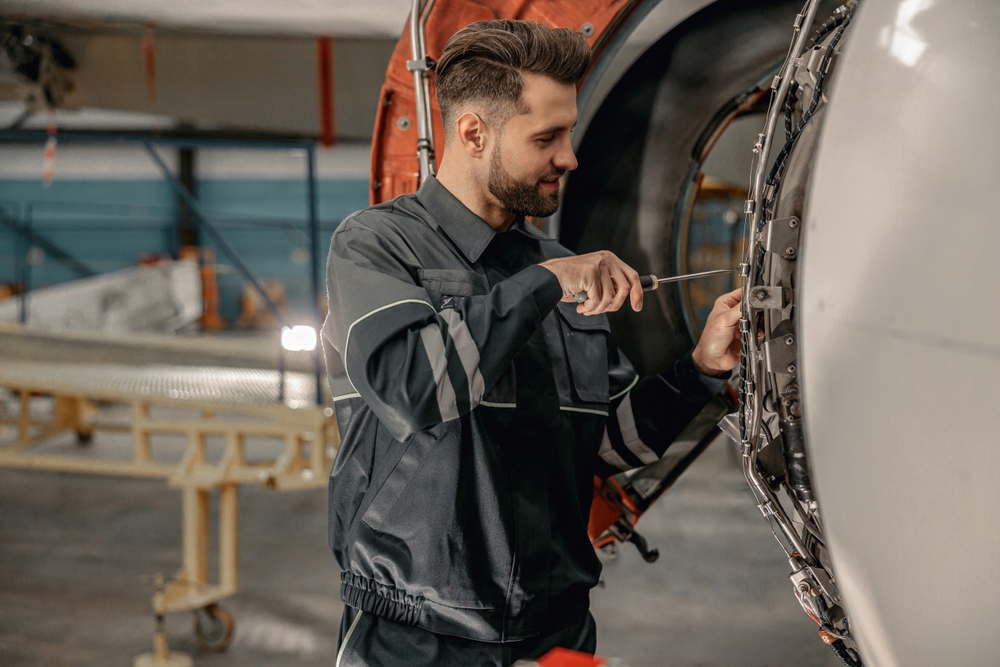
Owning an aircraft is a significant investment, and protecting that investment starts long before a mechanical issue appears. Whether you fly for business, recreation, or flight training around Dayton, OH, staying ahead of maintenance needs can help reduce unexpected downtime, improve safety, and keep operating costs more predictable.
Quick Answer
Preventative aircraft maintenance saves aircraft owners time and money by identifying small issues before they become major repairs, reducing unexpected grounding, extending component life, and improving aircraft reliability. Regular inspections and scheduled maintenance also help owners better plan for expenses instead of facing costly emergency repairs or extended periods when the aircraft cannot fly.
What Local Aircraft Owners Should Know
-
Aircraft based in the Dayton area experience seasonal temperature swings, humidity, and winter weather that can contribute to wear on components if maintenance is delayed.
-
Regular preventative maintenance helps identify issues before they interrupt personal travel, business flights, or flight training schedules.
-
Following manufacturer maintenance schedules can help maximize aircraft performance and preserve long-term value.
-
Local pilots flying throughout Montgomery County, Greene County, and surrounding communities benefit from having maintenance performed before peak flying seasons.
Why This Matters Locally
Aircraft owners in Dayton often fly throughout southwest Ohio, including destinations such as Springfield, Xenia, Beavercreek, Centerville, and Wright-Patterson Air Force Base. Seasonal weather changes, extended periods of storage during winter, and increased flying activity during warmer months all place different demands on an aircraft.
First Flight Aviation understands that reliable aircraft are essential for pilots, owners, and aviation businesses. We focus on helping owners stay ahead of maintenance needs so they can spend more time flying and less time dealing with unexpected repairs.
Local Field Observations
Professional experience shows that many unexpected maintenance issues begin as small concerns that could have been identified during routine inspections. Components exposed to moisture, changing temperatures, and regular vibration naturally wear over time.
Aircraft that receive consistent preventative maintenance are often easier to schedule, experience fewer unexpected maintenance events, and allow owners to better anticipate upcoming service requirements.
How Preventative Maintenance Saves Time
Preventative aircraft maintenance saves time by reducing unexpected mechanical problems that can ground an aircraft without warning.
Routine maintenance allows technicians to identify worn components before failure occurs. Rather than canceling flights because of an unexpected repair, owners can schedule maintenance around their flying schedule.
Additional time-saving benefits include:
-
Fewer unexpected maintenance events
-
Better scheduling flexibility
-
Reduced aircraft downtime
-
Faster completion of routine inspections
-
Improved dispatch reliability
-
Less disruption to business or personal travel
How Preventative Maintenance Saves Money
Preventative maintenance saves money because repairing minor issues early is often less expensive than replacing damaged systems after a failure.
Small leaks, worn belts, aging hoses, loose hardware, and minor corrosion can frequently be corrected before they affect larger assemblies. Ignoring these early warning signs may lead to more extensive labor, additional replacement parts, or secondary damage.
Routine maintenance can also help:
-
Extend engine component life
-
Protect avionics and electrical systems
-
Reduce emergency repair costs
-
Improve long-term aircraft value
-
Support more predictable maintenance budgeting
Warning Signs Your Aircraft May Need Maintenance
Preventative maintenance should not wait until a major problem develops. Common warning signs include:
-
Unusual engine vibrations
-
New or changing engine noises
-
Fluid leaks
-
Corrosion on visible components
-
Changes in instrument readings
-
Difficulty during engine starts
-
Excessive brake wear
-
Abnormal tire wear
-
Reduced aircraft performance
Any noticeable change in normal aircraft operation deserves prompt evaluation by qualified maintenance professionals.
When to Schedule Professional Aircraft Maintenance
Professional maintenance should be scheduled according to manufacturer recommendations, regulatory requirements, and whenever unusual aircraft behavior is observed.
Aircraft owners can perform approved preflight inspections and monitor obvious changes in aircraft condition. However, maintenance requiring specialized tools, inspections, adjustments, or repairs should always be completed by qualified aviation maintenance professionals.
Prompt attention becomes especially important after:
-
Extended periods of storage
-
Significant weather exposure
-
Hard landings
-
Bird strikes
-
Unusual engine indications
-
Unexpected mechanical symptoms
Common Causes of Aircraft Wear in Southwest Ohio
Aircraft operating around Dayton experience several environmental factors that contribute to normal wear.
Seasonal Temperature Changes
Ohio experiences hot summers and cold winters. Expansion and contraction of materials can contribute to seal deterioration and normal component aging.
Moisture and Humidity
Humidity may contribute to corrosion, particularly when aircraft remain parked for extended periods without proper care.
Frequent Flight Operations
Aircraft flown regularly accumulate normal wear on engines, landing gear, brakes, and other mechanical systems that require scheduled inspection.
Storage Conditions
Hangared aircraft generally receive greater protection from weather than aircraft stored outdoors, although both require routine maintenance.
Preventative Maintenance Best Practices
Aircraft owners can help reduce maintenance issues by following several practical habits:
-
Follow all manufacturer maintenance schedules.
-
Complete thorough preflight inspections before every flight.
-
Address minor discrepancies promptly.
-
Keep accurate maintenance records.
-
Protect aircraft during extended storage.
-
Schedule inspections before busy flying seasons.
-
Avoid delaying recommended maintenance because the aircraft appears to be operating normally.
What Owners Can Expect From Preventative Maintenance
Preventative maintenance provides greater confidence in aircraft reliability while helping owners better understand the overall condition of their aircraft.
Although no maintenance program can eliminate every mechanical issue, regular inspections often reduce unexpected failures and improve long-term operational planning.
Owners can generally expect:
-
Better aircraft reliability
-
Improved maintenance planning
-
More predictable operating costs
-
Earlier detection of wear
-
Increased confidence before flights
Common Mistakes Aircraft Owners Make
Delaying Minor Repairs
A small issue may eventually affect additional systems, increasing repair costs.
Waiting Until the Annual Inspection
Small discrepancies identified throughout the year are often easier to address before they become larger repairs.
Ignoring Changes in Aircraft Performance
Even subtle changes can indicate developing maintenance concerns that deserve professional evaluation.
Skipping Routine Maintenance to Save Money
Delaying maintenance may create larger repair expenses later while increasing aircraft downtime.
Common Local Scenario
A Dayton-area aircraft owner notices a slight vibration during recent flights but decides to wait until the next scheduled inspection. Over time, the issue becomes more noticeable and requires additional maintenance that could potentially have been identified earlier during a routine inspection. This type of situation illustrates why addressing small concerns promptly can help minimize downtime and repair costs.
Related Aircraft Maintenance Services
Preventative maintenance may include a variety of services depending on aircraft type and manufacturer recommendations, including:
-
Scheduled inspections
-
Oil and filter changes
-
Brake inspections
-
Tire evaluations
-
Engine maintenance
-
Electrical system inspections
-
Corrosion inspections
-
General aircraft maintenance
Comparing Your Options
| Option | Advantages | Considerations |
|---|---|---|
| Reactive repairs | Addresses immediate problems | May lead to higher repair costs and unexpected downtime |
| Preventative maintenance | Identifies issues early and improves planning | Requires scheduled maintenance appointments |
| Delayed maintenance | May postpone short-term expenses | Increases the risk of larger repairs and aircraft grounding |
Service Areas
We proudly serve aircraft owners throughout Dayton, Montgomery County, Greene County, Beavercreek, Centerville, Xenia, Springfield, and surrounding southwest Ohio communities.
The Cost of Ignoring Preventative Maintenance
Waiting until a problem becomes obvious often results in longer aircraft downtime, higher repair expenses, scheduling delays, and greater inconvenience. Addressing maintenance concerns early helps protect both your aircraft and your investment.
Frequently Asked Questions
How often should aircraft owners schedule preventative maintenance in Dayton?
The correct schedule depends on the aircraft manufacturer, operating hours, applicable regulations, and the aircraft’s maintenance program. Routine inspections should always follow approved maintenance requirements.
Does preventative maintenance really save money?
Yes. Identifying smaller maintenance concerns before they develop into larger repairs often reduces repair costs and helps owners better manage maintenance expenses.
Does Ohio weather affect aircraft maintenance?
Yes. Seasonal temperature changes, humidity, winter conditions, and extended storage periods can all contribute to normal aircraft wear that should be monitored during routine inspections.
Can I perform my own aircraft maintenance?
Owners may perform certain tasks that are permitted under applicable aviation regulations. Maintenance beyond those allowances should be completed by qualified aviation maintenance professionals.
Why is preventative maintenance important for aircraft based near Dayton?
Aircraft operating throughout southwest Ohio experience varying weather conditions and seasonal flying patterns. Routine maintenance helps identify wear before it affects aircraft availability.
What happens if I delay recommended maintenance?
Delaying maintenance may increase the likelihood of more extensive repairs, longer aircraft downtime, and higher overall maintenance costs.
Does preventative maintenance improve aircraft reliability?
Routine maintenance helps identify developing issues early, which can improve reliability and reduce the likelihood of unexpected mechanical problems.
Can preventative maintenance help preserve aircraft value?
Maintaining complete service records and following recommended maintenance schedules may help support long-term aircraft condition and resale value.
Protect Your Aircraft Before Small Problems Become Major Repairs
Preventative maintenance is one of the smartest investments an aircraft owner can make. Regular inspections, timely repairs, and consistent maintenance planning help reduce downtime, improve reliability, and support safer, more efficient flying throughout the Dayton area.
Keep Your Aircraft Ready for Every Flight
Our team is here to help you stay ahead of maintenance needs with professional aircraft services tailored to your aircraft and operating schedule.