
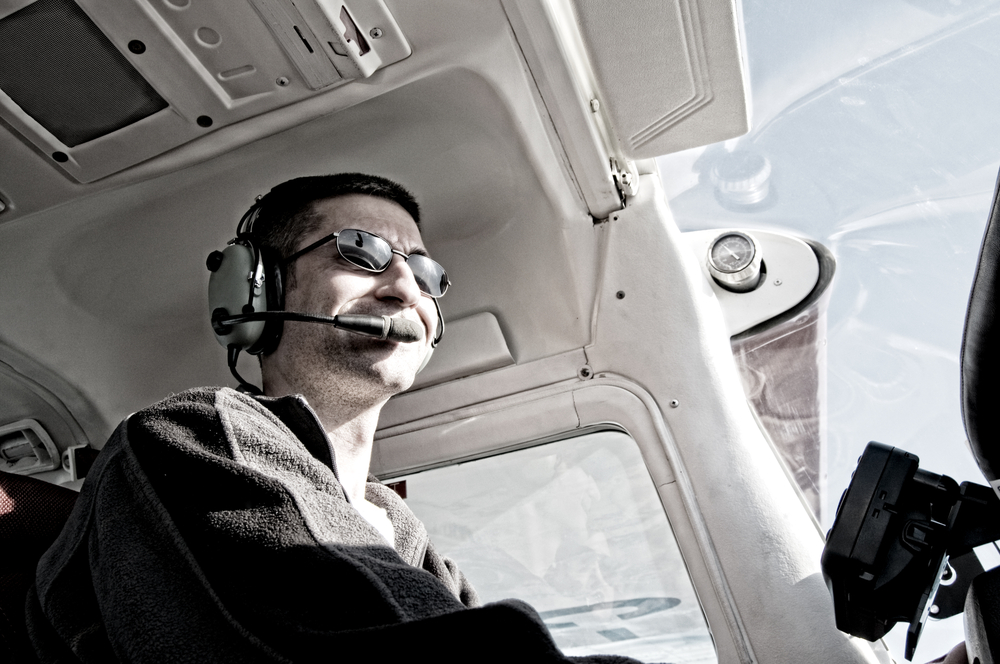
Learning to fly is an exciting milestone, but many aspiring pilots are unsure what the training process actually looks like. Whether you live in Dayton, OH, Beavercreek, Centerville, or another community in the Miami Valley, understanding each stage of flight training can help you feel prepared and confident before your first lesson.
Quick Answer
Earning a Private Pilot License in Ohio typically involves completing ground school, flight instruction, solo flight, cross-country training, and practical testing while meeting FAA minimum requirements. The actual timeline depends on your schedule, weather conditions, and how consistently you train. Students who fly regularly often build skills more efficiently than those with long gaps between lessons.
What Local Readers Should Know
-
Ohio weather can affect flight schedules, especially during winter snow, spring rain, and periods of low cloud cover.
-
Dayton International Airport and surrounding airports provide opportunities to experience different airspace environments during training.
-
Flying consistently each week often helps students retain skills and progress more smoothly.
-
FAA requirements establish minimum flight hours, but many students complete additional training before they are ready for the checkride.
-
Cross-country flights introduce students to airports throughout the region, helping build confidence in real-world flying.
Why This Matters Locally
Understanding the flight training journey is especially valuable for aspiring pilots in Dayton and the surrounding Miami Valley. Southwest Ohio offers a diverse flying environment that includes controlled airports, smaller regional airports, rural airspace, and changing seasonal weather. Training in these conditions helps students gain experience that prepares them for a variety of real-world flying situations.
At First Flight Aviation, we enjoy helping students understand not only how to operate an aircraft safely but also what to expect throughout their training journey. Our goal is to help every student build confidence one lesson at a time.
Local Field Observations
Professional flight instructors throughout southwest Ohio often see students make the fastest progress when they maintain a consistent training schedule. Ohio’s changing seasons expose students to different flying conditions, including calm summer mornings, windy autumn afternoons, and cooler winter operations. These experiences help create well-rounded pilots while reinforcing sound decision-making.
Local Impact
Flight training is more than simply learning to control an airplane. For many local students, earning a Private Pilot License opens opportunities for personal travel, career exploration, family adventures, and participation in Ohio’s active aviation community.
Training in the Dayton area also exposes students to busy airspace, nearby uncontrolled airports, and longer cross-country routes that develop communication, navigation, and planning skills.
What to Expect During Your Flight Training
Your First Discovery Flight
The journey often begins with an introductory flight where you’ll meet your instructor, learn basic aircraft controls, complete a safety briefing, and spend time flying the airplane under instructor supervision. This lesson helps determine whether flight training is the right fit for your goals.
Ground School
Ground school teaches the knowledge needed to become a safe pilot. Topics typically include:
-
Aerodynamics
-
Aircraft systems
-
FAA regulations
-
Weather interpretation
-
Navigation
-
Flight planning
-
Airspace classifications
-
Aviation safety
-
Emergency procedures
Students prepare for the FAA knowledge exam during this portion of training.
Flight Lessons
Flight instruction builds practical flying skills gradually. Early lessons typically focus on:
-
Aircraft inspections
-
Taxi procedures
-
Takeoffs
-
Straight-and-level flight
-
Climbs and descents
-
Turns
-
Landings
-
Emergency procedures
Each lesson builds upon previous skills while introducing new concepts.
Your First Solo Flight
One of the biggest milestones is your first solo flight.
Before flying alone, your instructor ensures you can safely:
-
Control the aircraft
-
Make consistent landings
-
Communicate with air traffic control
-
Respond to unexpected situations
-
Demonstrate sound judgment
Solo flight represents an important step toward becoming a confident pilot.
Cross-Country Training
Cross-country flights prepare students for real travel.
You’ll learn how to:
-
Plan longer flights
-
Calculate fuel requirements
-
Navigate using charts and GPS
-
Communicate with different airports
-
Adjust for changing weather
-
Make safe flight decisions
Many cross-country flights include airports throughout Ohio and neighboring states.
Checkride Preparation
As training nears completion, lessons become focused on polishing skills and preparing for the FAA practical test.
Your instructor helps you review:
-
Aircraft operations
-
Maneuvers
-
Oral examination topics
-
Emergency procedures
-
Flight planning
-
Regulations
When both you and your instructor feel prepared, you’ll schedule the practical test with an FAA-designated examiner.
Warning Signs That You May Need to Adjust Your Training Schedule
Flight training progresses best with consistency. Watch for these signs that your schedule may need adjustment:
-
Weeks pass between lessons.
-
You frequently need to relearn previously mastered skills.
-
Weather cancellations repeatedly interrupt training without rescheduling.
-
Ground study falls behind flight lessons.
-
You feel overwhelmed by too much new information at once.
-
You struggle to remember radio communications or procedures after long breaks.
When to Talk with Your Flight Instructor
Questions are a normal part of flight training. If you’re unsure about your progress, scheduling, or lesson plans, discussing those concerns early with your instructor can help keep your training on track.
Your instructor can help you develop a training schedule that fits your availability while maintaining steady progress.
Common Factors That Affect Flight Training in Ohio
Weather
Ohio experiences changing weather throughout the year. Low ceilings, rain, snow, wind, and thunderstorms can occasionally delay lessons while also providing valuable opportunities to learn weather decision-making.
Training Frequency
Students who fly multiple times each week often retain skills more effectively than those who train less frequently.
Personal Preparation
Completing assigned ground study before lessons allows more flight time to focus on practical skills.
Airspace Variety
Training near Dayton exposes students to different types of airports and controlled airspace, creating valuable real-world experience.
Prevention and Preparation Tips
You can make your training journey smoother by:
-
Scheduling lessons consistently.
-
Studying between flights.
-
Arriving well rested.
-
Reviewing previous lesson notes.
-
Asking questions whenever something is unclear.
-
Staying flexible during weather delays.
What Results Can You Expect?
Students who remain committed to regular training typically develop confidence in aircraft control, navigation, communication, and decision-making over time. Every student progresses at a different pace, and the goal is not simply completing the minimum requirements but becoming a safe, capable pilot.
Common Mistakes New Student Pilots Make
Waiting too long between lessons
Long breaks often require additional review before progressing to new material.
Focusing only on flight time
Ground study is equally important for building knowledge and preparing for FAA exams.
Trying to rush the process
Developing good judgment and safe habits takes time and repetition.
Not asking enough questions
Flight instructors expect questions and use them as opportunities to strengthen understanding.
Common Local Scenario
A prospective student from the Dayton area schedules a discovery flight after years of thinking about learning to fly. After completing an introductory lesson and discussing training goals with an instructor, they begin flying consistently each week while balancing work and family responsibilities. Over time, regular practice helps them progress through solo flight, cross-country training, and checkride preparation with growing confidence.
Related Flight Training Services
Students interested in earning a Private Pilot License may also benefit from services such as:
-
Discovery flights
-
Ground school
-
Flight reviews
-
Instrument training
-
Commercial pilot training
-
Aircraft rental for qualified pilots
Comparing Your Options
| Option | Best For | Considerations |
|---|---|---|
| Self-paced training | Flexible schedules | Progress may take longer if lessons are infrequent. |
| Consistent weekly instruction | Most students | Helps reinforce skills and maintain momentum. |
| Accelerated training | Students with significant availability | Requires a substantial time commitment and focused study. |
Service Areas
We proudly serve aspiring pilots in Dayton, Beavercreek, Centerville, Huber Heights, Fairborn, Kettering, Vandalia, Xenia, and surrounding communities throughout Montgomery County, Greene County, and the greater Miami Valley.
The Cost of Waiting
Delaying flight training can make it harder to maintain momentum once you begin. Seasonal weather, scheduling availability, and personal commitments may extend your timeline if lessons become inconsistent. Starting with a realistic training plan can help you make steady progress toward your aviation goals.
Frequently Asked Questions
How long does it take to earn a Private Pilot License in Ohio?
The timeline varies based on your schedule, weather, and lesson frequency. Students who train consistently throughout the year often progress more efficiently than those with long breaks between flights.
Can I complete flight training near Dayton while working full time?
Yes. Many students around Dayton complete flight training while balancing work or school by scheduling lessons during evenings or weekends.
Does Ohio weather slow down flight training?
Yes. Weather can occasionally delay lessons due to low clouds, strong winds, thunderstorms, or winter conditions. These delays also provide valuable opportunities to learn weather-related flight planning.
Do I need previous aviation experience?
No. Most students begin with no flying experience. Flight training is designed to teach both aviation knowledge and practical flying skills from the beginning.
Where will I fly during training around Dayton?
Training often includes flights to a variety of airports throughout southwest Ohio. Students gain experience with both controlled and non-towered airports while building navigation and communication skills.
What happens after earning my Private Pilot License?
Many pilots continue training by earning an instrument rating, commercial pilot certificate, or additional endorsements while others simply enjoy recreational flying and personal travel.
Begin Your Flight Training Journey with Confidence
Learning to fly is a rewarding experience that combines knowledge, skill, and confidence. Whether you’re exploring aviation as a hobby or taking the first step toward a professional career, consistent instruction and local experience can help you reach your goals safely.
Ready to Start Flying in Dayton?
Our experienced team is here to help you understand every stage of flight training and guide you through the journey toward earning your Private Pilot License.