
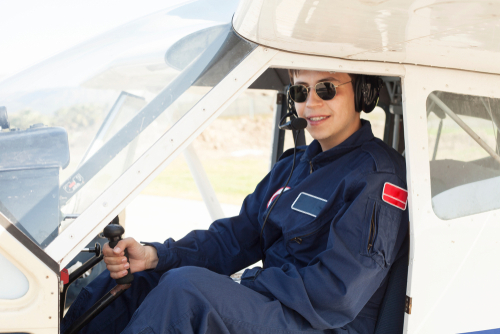
Learning to fly is one of the biggest investments you’ll make in your future, and choosing the right flight school can shape your entire aviation career. Whether your goal is to become a professional airline pilot, earn a private pilot certificate, or simply experience the freedom of flight, selecting a flight school in Ohio deserves careful consideration.
Quick Answer
The best flight school in Ohio is one that offers experienced instructors, well-maintained aircraft, transparent pricing, flexible scheduling, and training programs that align with your aviation goals. Future pilots should also consider the school’s location, reputation, fleet availability, safety culture, and student support before making a decision.
What Future Pilots Should Know
-
A flight school’s instructor quality often has a greater impact on your success than the size of its aircraft fleet.
-
Ohio’s diverse weather provides valuable real-world flying experience that prepares students for a variety of flight conditions.
-
Training near major aviation hubs such as Dayton, Columbus, Cincinnati, and Springfield can expose students to different types of controlled airspace.
-
Asking detailed questions about scheduling, aircraft availability, and completion timelines can help you avoid unnecessary delays.
-
Visiting a school in person gives you a better understanding of its culture, professionalism, and learning environment.
Why This Matters Locally
Ohio has long been recognized as the birthplace of aviation, making it an outstanding place to begin flight training. The region offers a wide range of weather conditions, varied airspace, and access to airports that help students develop confidence in different flying environments.
Students training in the Dayton area often benefit from flying near Dayton International Airport, Wright-Patterson Air Force Base, Springfield-Beckley Municipal Airport, and other regional airports throughout Montgomery County, Greene County, and Miami Valley. These experiences help prepare pilots for flying beyond their local area.
First Flight Aviation has helped aspiring pilots pursue their aviation goals by providing professional flight training in the Dayton area. We believe every student deserves a learning environment focused on safety, skill development, and long-term success.
1. Look for Experienced and Supportive Flight Instructors
Experienced instructors are one of the most important factors when choosing a flight school. Great instructors do more than teach flight maneuvers. They help students build confidence, understand decision-making, and develop safe flying habits.
Ask questions such as:
-
How experienced are the instructors?
-
How long do instructors typically stay with the school?
-
What teaching style do they use?
-
Can students request a different instructor if needed?
The right instructor can make training more enjoyable while helping you progress efficiently.
2. Evaluate the Aircraft Fleet
A quality aircraft fleet should be safe, reliable, and properly maintained. While newer aircraft can be appealing, consistent maintenance is even more important.
Consider asking:
-
How many aircraft are available?
-
How often are planes scheduled for maintenance?
-
Are aircraft equipped with modern avionics?
-
Are backup aircraft available if one is unavailable?
Having multiple training aircraft can help minimize scheduling interruptions.
3. Understand the Total Cost of Training
The best flight school isn’t necessarily the least expensive. Instead, look for clear pricing and realistic expectations about total training costs.
Ask whether the school explains:
-
Aircraft rental fees
-
Instructor fees
-
Ground school costs
-
FAA testing fees
-
Books and training materials
-
Checkride expenses
Transparent pricing helps you budget effectively and avoid unexpected surprises.
4. Consider Scheduling Flexibility
Consistent flight training helps students retain skills and complete certifications more efficiently.
If you’re balancing work, college, or family responsibilities in Dayton or nearby communities like Beavercreek, Centerville, Kettering, or Huber Heights, flexible scheduling can make a significant difference.
Ask about:
-
Evening availability
-
Weekend lessons
-
Online scheduling
-
Weather cancellation policies
-
Average wait times for flights
5. Review the School’s Safety Culture
A strong safety culture should be visible throughout the entire organization.
Look for schools that emphasize:
-
Thorough pre-flight planning
-
Risk management
-
Aircraft inspections
-
Professional instructor standards
-
Ongoing safety education
During your visit, observe whether instructors and students consistently follow established safety procedures.
6. Visit the Facility Before Enrolling
Visiting a flight school provides valuable insight that websites alone cannot offer.
Pay attention to:
-
Aircraft condition
-
Classroom quality
-
Instructor professionalism
-
Student interactions
-
Overall organization
You should feel comfortable asking questions and speaking with current students about their experiences.
7. Choose a Program That Matches Your Goals
Every future pilot has different objectives.
Some students want to:
-
Earn a Private Pilot Certificate
-
Become a Certified Flight Instructor
-
Build hours toward airline careers
-
Fly recreationally
-
Transition into commercial aviation
Choose a school that offers training pathways aligned with your long-term plans.
8. Ask About Student Success and Ongoing Support
A quality flight school supports students throughout their aviation journey.
Ask about:
-
Ground school resources
-
Progress tracking
-
Instructor availability
-
Checkride preparation
-
Career guidance
-
Advanced ratings after initial certification
Schools that invest in student success often create a more positive learning experience.
Local Field Observations
Our experience training pilots in the Dayton region has shown that Ohio’s changing seasons provide valuable learning opportunities. Students experience calm summer mornings, changing fall weather, winter planning considerations, and spring conditions that help build strong aeronautical decision-making skills under instructor supervision.
How Your Choice of Flight School Affects Your Success
Choosing the right school influences far more than earning a certificate.
The right environment can help you:
-
Build confidence faster
-
Develop safe flying habits
-
Stay motivated throughout training
-
Reduce unnecessary delays
-
Prepare for advanced certifications
-
Enjoy the learning process
The wrong fit can lead to scheduling frustrations, inconsistent instruction, and slower progress.
Warning Signs to Watch For
Be cautious if a flight school:
-
Cannot clearly explain pricing
-
Has limited aircraft availability
-
Frequently cancels lessons without alternatives
-
Appears disorganized during your visit
-
Avoids questions about maintenance or safety
-
Has difficulty scheduling instructors
-
Makes unrealistic promises about completion timelines
When to Speak With a Flight School
You should contact a flight school before making any financial commitment.
An introductory visit or discovery flight gives you the opportunity to:
-
Meet instructors
-
Tour the facility
-
See the aircraft
-
Learn about training options
-
Ask detailed questions about scheduling and costs
Prevention Tips for Future Students
Choosing carefully at the beginning can prevent frustration later.
Helpful steps include:
-
Tour multiple schools.
-
Schedule a discovery flight.
-
Compare instructor availability.
-
Ask for a written cost estimate.
-
Discuss your career goals.
-
Review scheduling policies before enrolling.
What You Can Expect From Professional Flight Training
Professional flight training should provide structured lessons, individualized instruction, and regular progress evaluations. While every student progresses at a different pace, consistent training and instructor guidance help build the knowledge and skills needed to become a safe and confident pilot.
Common Mistakes Future Pilots Make
Choosing based only on price
Lower costs may not provide the scheduling, aircraft availability, or instructional quality needed for efficient progress.
Not visiting the school first
An in-person visit often reveals far more than online research alone.
Training too infrequently
Large gaps between lessons can slow learning and increase overall costs.
Failing to ask questions
Understanding expectations upfront helps prevent misunderstandings later.
A Common Local Scenario
A prospective student from the Dayton area schedules visits with several flight schools before enrolling. During each visit, they compare instructor interactions, aircraft condition, scheduling flexibility, and overall professionalism. After asking detailed questions and taking a discovery flight, they feel confident choosing the school that best supports their long-term aviation goals.
Related Flight Training Services
Depending on your goals, you may also benefit from:
-
Discovery flights
-
Private Pilot training
-
Instrument Rating training
-
Commercial Pilot training
-
Certified Flight Instructor training
-
Flight reviews
-
Aircraft rental after certification
Comparing Your Options
| Option | Best For | Considerations |
|---|---|---|
| Discovery Flight | Exploring aviation | Ideal before making a commitment |
| Private Flight Training | New pilots | Builds foundational flying skills |
| Accelerated Training | Students with flexible schedules | Requires significant time commitment |
| Flexible Training Schedule | Working professionals and students | Allows training around other responsibilities |
Serving the Dayton Region
We proudly serve aspiring pilots throughout Dayton, Beavercreek, Centerville, Kettering, Huber Heights, Springfield, Fairborn, Xenia, and surrounding communities across the Miami Valley. Our location makes it convenient for students throughout southwest Ohio to begin their flight training journey.
The Cost of Waiting
Delaying flight training may mean waiting longer to achieve your aviation goals, especially during busy training seasons when instructor schedules and aircraft availability become more limited. Starting with the right school today helps you begin building valuable experience sooner.
Frequently Asked Questions
How do I choose the best flight school in Dayton, Ohio?
The best way to choose a flight school in Dayton is to compare instructor experience, aircraft quality, scheduling flexibility, safety culture, and overall training programs. Visiting the school in person can help you determine whether it’s the right fit for your goals.
Is Ohio a good place to learn to fly?
Yes. Ohio offers a variety of weather conditions, diverse airspace, and a rich aviation history that provides excellent training opportunities for future pilots.
Should I schedule a discovery flight before enrolling?
Yes. A discovery flight lets you experience the aircraft, meet instructors, and better understand the school’s teaching style before making a larger commitment.
How often should I fly during training?
Most students benefit from flying consistently, often several times each week when possible. Regular lessons help improve skill retention and training efficiency.
Does training near Dayton International Airport help students?
Training near busy and controlled airspace can expose students to real-world communication and operational experiences that build confidence under instructor supervision.
What questions should I ask during a flight school tour?
Ask about instructor availability, aircraft maintenance, scheduling, training costs, safety procedures, and how the school supports students throughout the certification process.
Ready to Start Your Aviation Journey?
Choosing the right flight school is one of the most important decisions you’ll make as a future pilot. Our team is here to answer your questions, introduce you to our training programs, and help you take the next step with confidence.